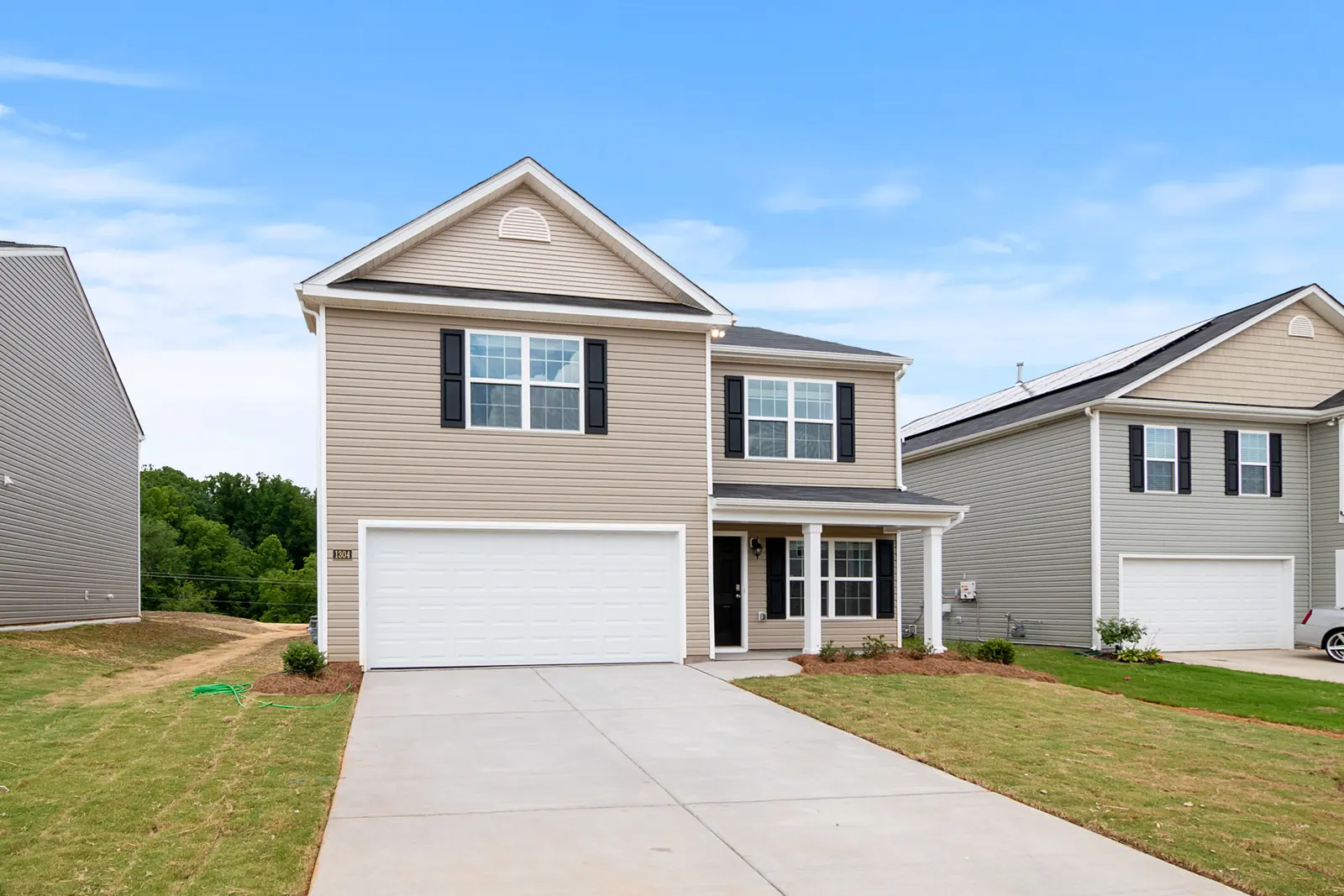
Width, radius returns, culvert and cure dates — stated on every quote
Concrete Driveways in Pearland, TX
Concrete driveways in Pearland usually cross an open roadside ditch, so we settle the culvert before quoting the concrete.
The city sets the minimums (10 feet wide, 5-foot radius returns) and sends a building inspector to look at the finished slab. We quote to those numbers.
- Built to the city's own minimums: 10 ft width, 5 ft radius returns
- Culvert size, length and flow lines handled with the permit paperwork
- Concrete only — we do not lay or sealcoat asphalt
Send the rough size, what parks on it, and whether there is a ditch at the street. Someone attends, measures, and you get the number in writing.
Concrete driveways cross a roadside ditch, so the culvert is priced first
A new drive here normally leaves the street across an open ditch, so a pipe has to carry that water under the slab before there is anything to pour on.
Brazoria Drainage District No. 4 installs a residential driveway culvert on request and charges nothing for the labor and machine time. You buy the pipe and the fill, the city sizes it, and we book it alongside the permit.
No fee, no obligation.
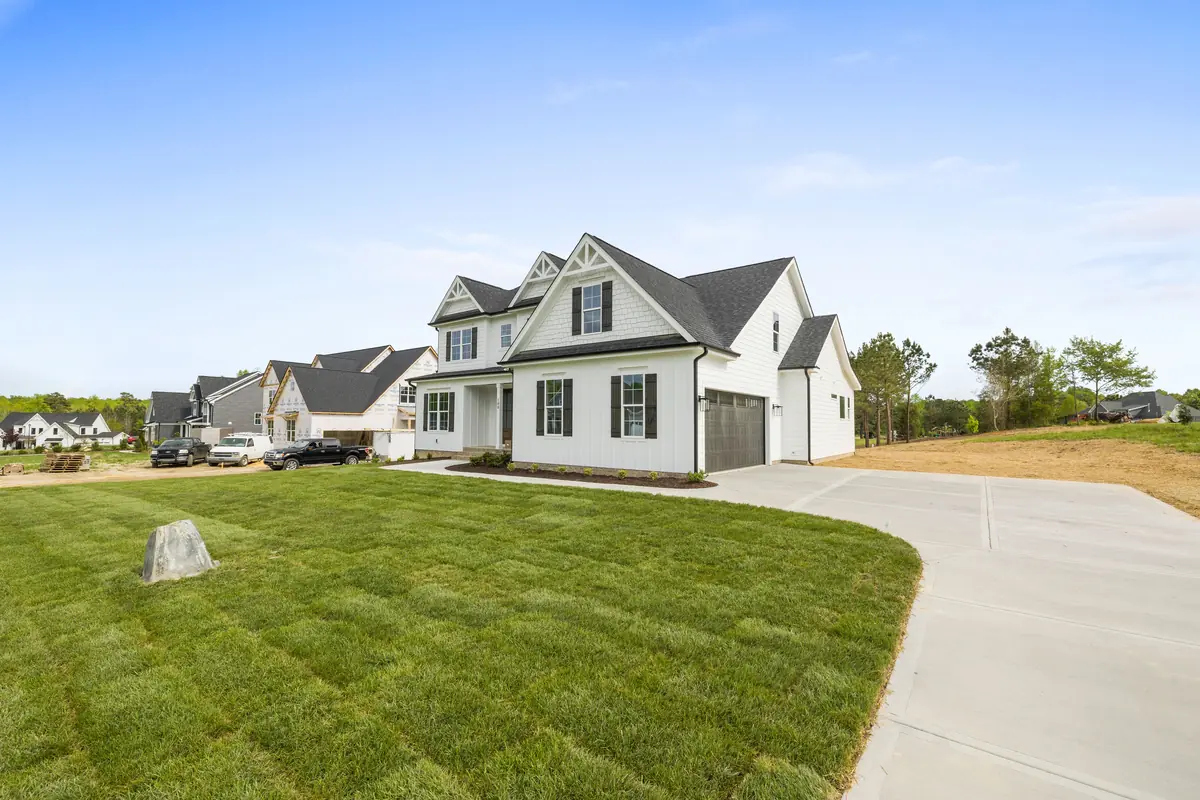
Concrete driveway construction: width, culvert, slab and inspection, each priced
The width, the radius returns and whether your street allows a new drive at all
The City of Pearland's driveway application fixes two dimensions before the layout is drawn: widths no less than 10 feet, radius returns no less than 5 feet. The same form bars a new residential driveway on any street classified as a major collector or greater — a question about your street, not your house. We check the classification at the estimate.
The culvert under the approach, and who installs it
Culverts must be of approved materials and must extend 5 feet beyond the edge of the driveway. Inside city limits the City of Pearland sizes the pipe, so the diameter is not ours to pick.
The slab, the steel and the ground under both
Thickness is set by the heaviest thing that parks on the drive. Standard residential is four to five inches; six to eight is what the trade uses for heavier vehicles or poor soil conditions, and slow-draining clay is a poor soil condition. We excavate, compact base across the full footprint, and set fall away from the garage and the house.
The inspection — a concrete drive gets one, an asphalt drive does not
The city's form is explicit: concrete driveways are required to be inspected by a Building Inspector, asphalt driveways do not require an inspection, and inspections are scheduled 24 hours in advance on the City's Interactive Voice Recorder system. We pour concrete only, so every drive we build is one an inspector will stand on.
Cracked, not worn out: concrete repair — two failed panels are a repair, not a rebuild. Sound but flaking: concrete resurfacing. Flatwork elsewhere on the lot: concrete slabs or a concrete patio. Budget first: concrete driveway cost. Patterned: stamped concrete. Towns we cover: service areas. Everything else: concrete services. We pour residential and light commercial flatwork only: no asphalt, no foam lifting or mudjacking, and no house foundation repair.
The spec goes on the quote before you decide anything.
Driveway widening is cheapest while the forms are still open
A turnaround, a third parking bay or a wider approach is the cheapest concrete on the job while the forms are up and the truck is on site, and the most expensive once the crew has gone.
Two things change with the extra width: fall has to be set across the whole footprint, and at the street the pipe has to run further, because a culvert must extend 5 feet beyond each edge. Both are decided at the estimate.
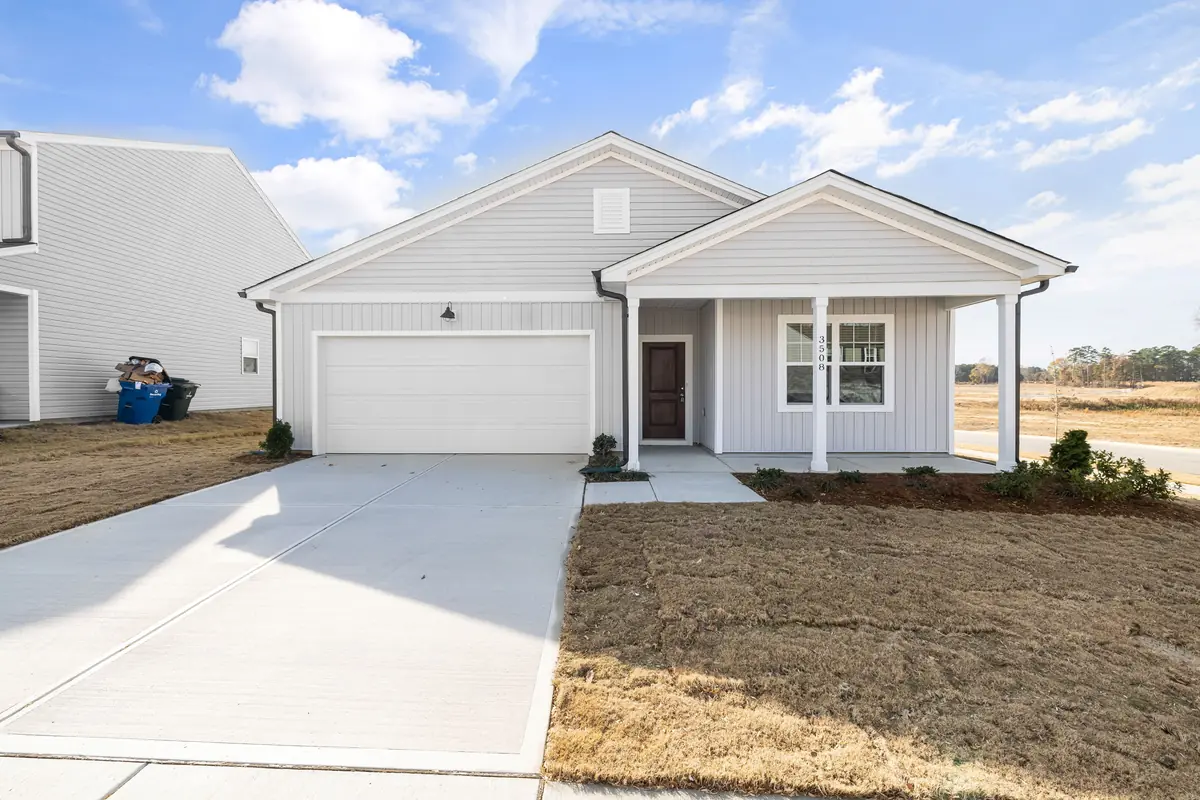
A new concrete driveway in Pearland sits on slow-draining coastal clay
A drive here is loaded from underneath by clay that changes volume, and from above by whatever parks on it.
Coastal-prairie clay moves under the longest slab on the lot
The ground under most of Pearland is clay derived from the Beaumont Formation. Clay of that type swells as it takes water and shrinks back as it dries.
A driveway is the longest run of flatwork you own, so it spans more of that movement than any other slab. Reinforcement set at mid-depth carries the tension when a section loses its support underneath; steel left lying on the ground carries nothing.
On ground this flat, water leaves a drive because someone set the fall
The USDA places these soils on flat coastal plains, so the roadside ditch network here is a maintained public works asset, not a natural fall.
Fall away from the garage door and the house is set with the forms, before any concrete is ordered. After the pour the only remedy is a saw.
A slab sized for two cars, with a loaded pickup parked on it
Four to five inches is the standard residential drive. Heavier vehicles and poor soil conditions are the two reasons the trade goes to six to eight inches, and a lot here presents both at once.
Where a three-quarter-ton pickup, an RV or a trailer lives on the drive, we price the thicker slab.
The site visit tells you which of these you have.
Concrete driveway cure times: walk after 48 hours, park after 7 days
A new drive takes foot traffic long before it takes a car, and a car long before it takes a truck or a delivery. All three dates are on your estimate.
Heat is the risk here, not cold. NRMCA CIP 11 notes that in hot weather a higher initial curing temperature gives rapid strength gain and lower ultimate strengths, so a summer pour gets water curing rather than a hurried finish.
Design strength is assessed at 28 days (NRMCA CIP 35); curing and hot-weather guidance from NRMCA CIP 11. The walk-on and drive-on dates are trade practice, and the ones for your pour are written on your quote.
Our concrete driveway quote states thickness, rebar, joints and haul-off
Same drive, same ditch, same yard. The difference is what is written down before anyone pours.
| On the page | HTX Concrete Co. | A one-line quote |
|---|---|---|
| Price | One number for the job as scoped | A per-foot range that moves on the day |
| Slab thickness | Stated in inches | Not mentioned |
| Reinforcement | Rebar or mesh, size and spacing | "Reinforced" — the entire line |
| Joint spacing | Planned and written | Cut wherever, if at all |
| Haul-off and clean-up | In the price | Added at the end |
Take our quote to any other contractor and compare it line by line.
Free, and it puts you under no obligation.
Concrete driveway cost in Pearland runs $7 to $16 a square foot
The 2026 market ranges for this work, with the specification each number assumes. Your fixed number comes after the site visit.
| Work | What the number assumes | Typical range |
|---|---|---|
| A new concrete driveway | ||
| Standard residential drive | four to five inch reinforced slab on compacted base, broom finish | $7–$12 / sq ft |
| Drive for a truck, RV or trailer | six to eight inches where the load or the soil calls for it, thickened edge | $10–$16 / sq ft |
| Approach and apron at the street | no less than 10ft wide, 5ft radius returns, culvert extended 5ft past each edge | $10–$16 / sq ft |
| Stamped or colored drive | pattern, integral color, release and penetrating sealer | $15–$25 / sq ft |
| Dealing with the drive that is already there | ||
| Demolition and haul-off (national range) | existing reinforced slab broken out, hauled and disposed of | $3–$6 / sq ft |
| Resurfacing instead of replacing | profiled and primed, polymer-modified overlay, broom finish | $4–$8 / sq ft |
| Sealing once it has cured | cleaned, then a penetrating sealer applied at the stated coverage | $1–$3 / sq ft |
The demolition figure is a national range, and local removal is often quoted below it. What moves the other numbers inside their ranges: slab thickness, how much excavation the fall requires, whether a culvert has to be set or replaced at the street, and how close the truck can get to the pour.
Free, and it puts you under no obligation.
Working with us, in four steps
Four steps. You can stop after the second one at no cost.
You call, we come out
We measure up, check the ground and the drainage, and tell you what the job needs.
You get the price in writing
One fixed price, with the thickness, the reinforcement and the joint spacing stated. The city does not ask for those on its driveway permit application — but it does send a building inspector to look at a concrete driveway, so you have them anyway.
We break out the old drive, set the culvert and pour
Old drive out, culvert set, ground compacted, steel placed, then the pour and the joints cut to the plan.
We clear the site and the slab cures
You get the day it is ready to use, and that date was on your quote from the start.
Walk 24–48h · car 7 days · heavy 28 days
Step one costs nothing and commits you to nothing.
Concrete driveway questions people ask before they book
Who are the best concrete driveway contractors near me in Pearland, TX?
How thick should a concrete driveway be in Pearland?
Do I need a permit for a new driveway in Pearland?
Who installs the culvert under a driveway in Pearland?
Tell us what the job is. We'll price it in writing.
Send the rough size and what you want done. Someone comes out, measures, and you get one fixed number in writing — not a range that moves on the day. Nothing is owed if you don't go ahead.
On-site estimate is free · no obligation · the written quote is yours to keep.
- Free on-site estimate across Pearland and the south Houston ring
- Fixed price in writing before we start
- Reinforcement and thickness stated on the quote
- Clean-up and haul-off included